The buzzing needle, the raw sting, the involuntary flinch—tattoo pain is as famous as the art itself. For decades, gritting your teeth was considered a rite of passage. Today, however, a quiet revolution is changing the experience. More artists and collectors are embracing topical anaesthetics, turning painfully long hours into sessions where you can chat, scroll your phone, or simply breathe through the shading without your leg twitching. What stands at the centre of this shift is numbing cream for tattoos, a product designed to make body art accessible, comfortable, and far less intimidating. Understanding how these creams work, which formulas suit different sessions, and how to apply them correctly can transform your next appointment from a test of endurance into a genuinely enjoyable creative collaboration.
How Numbing Creams Intercept Tattoo Pain Signals
To appreciate why a topical cream can work even when a tattoo machine punctures the skin hundreds of times a second, you need to look beneath the surface. Tattoo discomfort comes from rapidly moving needles piercing the dermis, the layer of skin rich in nerve endings, blood capillaries, and pain receptors called nociceptors. When the needle breaks the skin, these nociceptors fire electrical impulses along peripheral nerves towards the spinal cord and brain. The brain interprets the signals as stinging, burning, or a deep aching sensation. Numbing cream for tattoos interrupts this conversation at its source.
Most effective formulas contain active pharmaceutical ingredients from the amide anaesthetic family, most commonly lidocaine, often combined with prilocaine, tetracaine, or benzocaine. These molecules work by temporarily blocking voltage-gated sodium channels on nerve cell membranes. Essentially, they stop the nerve from depolarising and sending the “pain!” message. When applied to intact, unbroken skin and left for a sufficient dwell time—usually between 45 and 90 minutes—the cream travels through the outermost layer (the stratum corneum) into the dermis. Once absorbed, it creates a localised numbing effect that can last anywhere from one to three hours, depending on the concentration and the individual’s metabolism.
The degree of numbness varies. A well-formulated cream won’t necessarily remove every sensation—some pressure and vibration will still register—but it effectively dulls the sharp, needle-specific discomfort that makes clients tense their muscles and interrupt the artist. This is particularly valuable during long outline sessions, heavy colour packing, or when working over bony prominences such as ribs, spine, and collarbones. Modern emulsions also include skin-conditioning agents, helping the area stay supple. It is important to note that these products must be applied on unbroken skin before the tattoo starts; using them on open wounds mid-session can lead to toxicity and broken skin absorption issues, which is why reputable manufacturers provide strict pre-procedure guidelines.
What separates premium products is not just the active percentage but also the delivery system. Ointment bases with occlusive properties, used together with plastic wrap for the pre-numbing phase, enhance penetration. Some blends incorporate vasoconstrictors that reduce blood flow slightly, which some artists find helpful to minimise excess bleeding during the outline. Nevertheless, the core mechanism remains elegantly simple: silence the nerve endings temporarily so the artist can focus purely on craft, and the client can stay still as a canvas without the constant fight-or-flight adrenaline surge.
Choosing the Right Formula for Every Tattoo Scenario
Not all numbing solutions are created equal, and the ideal choice depends heavily on the type of tattoo session you have booked. A delicate wrist script needs a very different approach from an 8-hour back piece. When selecting Numbing cream for tattoos, consider variables like treatment area, session duration, and your personal pain threshold. Creams generally come in a water-based or oil-based gel format, each with distinct merits. Gels tend to spread easily and are favoured for larger surface areas, while thicker ointment textures can cling better to contoured spots such as knees, elbows, and behind the ear without sliding off. TKTX, for instance, has developed a range of deep-numbing formulas tailored to different session intensities, with some variants delivering a rapid onset under 40 minutes and others providing extended numbness for full-day appointments.
For small, first-time tattoos, a mid-strength cream with around 4% to 5% lidocaine is often more than adequate. New collectors are frequently nervous, and a comfortable first experience can set the tone for a lifetime of collecting. Applying a modest amount precisely to the outline area ensures the needle’s initial bite feels less threatening, easing the psychological barrier that stops many people from ever returning for a second piece. In these cases, you don’t need the strongest possible formulation; you need predictable, gentle numbness that wears off without lingering heaviness.
Large-scale work—sleeves, chest panels, leg pieces that require multiple hours—demands a more robust solution. Here, long-session numbing creams that maintain efficacy for two to three hours are indispensable. Artists working on detailed realism or heavy tribal blackwork benefit enormously when the client remains still. Micro-movements from pain cause line wobble and inconsistent saturation. Using a high-performance numbing cream with a balanced pH and deep dermal absorption means the artist can proceed without interruption. Notably, TKTX products have gained a following among sleeve collectors exactly because their deep-numbing profile works effectively on the meaty forearm as well as the sensitive inner bicep.
Then there are the sensitive area specialists. Rib cages, sternums, nipples, armpits, and the back of the thigh are infamously tender. On these spots, even experienced collectors curse under their breath. Here, you’ll want a formula that explicitly notes high penetration capability and prolonged action. A cream with an optimum concentration of active ingredients, often around 5% lidocaine paired with prilocaine, can make the difference between aborting a sternum mandal after two lines and finishing it with controlled breathing. When buying any numbing cream, verifying authenticity matters. Reputable suppliers provide products with holographic seal packaging as part of their quality assurance, helping customers identify genuine stock that meets safety standards. This is vital because the market has been flooded with counterfeit versions that lack sterility and effective dosing.
Beyond strength, the decision involves tolerance to occlusion. Some people cannot stand the sensation of plastic wrap stuck to their skin for an hour. In those cases, pre-numbing films or cream formulations that don’t require cling wrap become a feature. Always check the product instructions—some are designed to be applied thickly and sealed, others absorbed on contact. By aligning the cream choice with the tattoo scenario, you turn a chaotic pain management guessing game into a strategic, predictable part of the session prep.
Practical Application Steps and Safety Essentials
Even the most advanced numbing agent yields disappointing results if applied haphazardly. To get consistent, deep numbness that your tattoo artist appreciates, you need to follow a pre-tattoo protocol with military discipline. Start with clean, dry skin. Wash the area with a mild soap to remove oils, sweat, and dead cells, then dry thoroughly. Any barrier on the skin surface reduces absorption. If the tattoo site is hairy, shave it gently at least 24 hours before—never immediately before application, as micro-nicks will sting and could allow the cream to enter the bloodstream prematurely. Shaving a day ahead gives the skin time to recover and avoids irritation that compounds under occlusion.
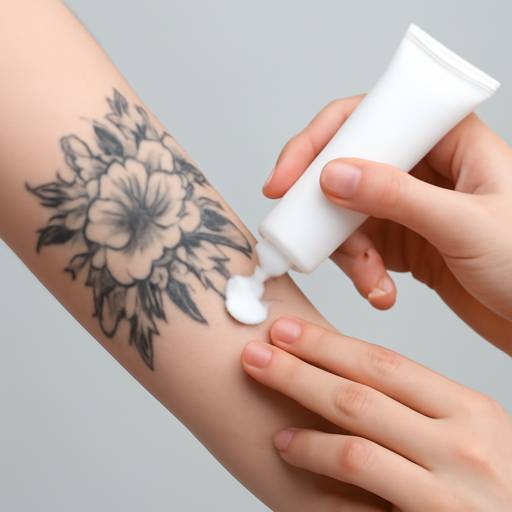
Next, apply a generous, even layer of the cream—think about the thickness of a pound coin. Do not rub it in like a moisturiser; you want the product to sit on top and penetrate downward. Immediately cover the area with a piece of plastic cling wrap and tape the edges to create an airtight seal. This occlusion traps body heat, opens pores, and dramatically enhances the depth of anaesthesia. Leave the cream undisturbed for the full time specified on the packaging, which for many high-concentration creams is between 60 and 90 minutes. Setting a timer is a small habit that prevents premature wiping, which is the single most common cause of “it didn’t work” complaints. During this wait, sit comfortably; sweating profusely or stretching the wrap can displace the cream.
When the timer goes off, the artist will remove the wrap and wipe the cream away thoroughly with a damp paper towel or gentle antiseptic wipe. Immediately after cleaning, the skin should be pale, cold, and noticeably dulled to touch. The numbing window is now open—most creams peak around 30 to 45 minutes after removal and begin gradually fading over the next two hours. This is why communication with your artist is crucial; don’t remove the wrap in the car and expect full numbness to last through a 40-minute stencil placement and setup. Coordinate so that the artist starts needling within a few minutes of that wipe.
From a safety standpoint, never exceed the recommended coverage area. Applying numbing cream for tattoos to more than roughly 10% of the body’s surface area, or leaving it on for hours beyond the directed time, raises rare but possible risks of lidocaine toxicity, especially in people with liver issues or low body weight. Symptoms like dizziness, ringing in the ears, metallic taste, or drowsiness warrant immediate removal and rinsing. Staying well hydrated and avoiding caffeine before the session stabilises blood pressure, which naturally oscillates with pain. Patch testing a small coin-sized spot days before the session can rule out allergic reactions; a growing number of conscientious shops now recommend this step, especially for clients with eczema or multiple medication sensitivities.
What about numbing during the tattooing process? Standard pre-procedure creams are not designed for open skin. However, some artists allow secondary “refresh” gels once the skin is broken, provided they are formulated for intraoperative use and free from adrenaline-altering ingredients that might mask healing. Those secondary gels are best left entirely in the artist’s professional judgement. Your role as the client is to arrive with a prepared canvas. Combining a meticulous pre-numb routine with genuine product authenticity—seek out packaging that includes security seals, batch numbers, and clear ingredient lists—creates a seamless experience. When done right, the only thing you’ll remark during the session is how incredible the artwork looks while the machine hums over your skin like a distant vibration, not a harsh sting.

Cairo-born, Barcelona-based urban planner. Amina explains smart-city sensors, reviews Spanish graphic novels, and shares Middle-Eastern vegan recipes. She paints Arabic calligraphy murals on weekends and has cycled the entire Catalan coast.